

How to Strengthen Your Relationship After Baby
Support For New and Expecting Parents
Bringing a baby into your family is one of life's most exciting milestones. It's also one of the biggest transitions your relationship will ever experience.
Between sleepless nights, endless diaper changes, feeding schedules, and adjusting to a completely new routine, it's no surprise that many couples find themselves feeling more like teammates managing a household than partners deeply connected to one another.
If you've ever worried that having a baby might change your relationship, or if you're already feeling the strain, you are far from alone.
The good news? Relationship challenges after welcoming a baby are incredibly common, and they're also something you can prepare for. Research shows that couples who intentionally invest in their relationship during this transition tend to experience greater relationship satisfaction, stronger communication, and healthier family dynamics over time.
That's exactly why the Bringing Baby Home program, developed by the The Gottman Institute, was created.
Why Does Having a Baby Change Your Relationship?
Most expecting parents spend months preparing for labour, decorating the nursery, and researching baby gear. Far fewer spend time preparing for how becoming parents will affect their relationship.
The reality is that even healthy, loving couples often experience significant changes after welcoming a child. According to research behind the Bringing Baby Home program, approximately two-thirds of couples report a noticeable decline in relationship satisfaction during the first three years after becoming parents.
That doesn't mean your relationship is failing.
It means you're navigating one of life's biggest adjustments.
Some of the most common challenges include:
Less time together as a couple
Increased conflict about household responsibilities
Sleep deprivation affecting patience and communication
Changes in intimacy
Feeling underappreciated or misunderstood
Different parenting styles beginning to emerge
These experiences are normal, but they don't have to define your relationship.
Your Relationship Matters More Than You Might Think
When people become parents, it's natural for all attention to shift toward the baby.
But one of the central ideas behind the Bringing Baby Home program is that your relationship isn't separate from your child's wellbeing - it helps shape it.
Research has consistently shown that a secure, supportive partnership creates a healthier emotional environment for children while also supporting parents' own mental and emotional wellbeing. The Bringing Baby Home course was specifically designed to help couples strengthen their relationship while navigating early parenthood together.
What Is the Bringing Baby Home Program?
Bringing Baby Home is a research-based educational workshop created by The Gottman Institute for expecting and new parents.
Unlike traditional parenting classes that focus primarily on feeding, sleep schedules, or infant care, Bringing Baby Home focuses on something that's often overlooked: the relationship between parents.
The program helps couples develop practical skills that strengthen their partnership while adjusting to parenthood.
Couples learn strategies to:
Improve communication during stressful moments
Strengthen friendship and emotional connection
Navigate conflict more effectively
Maintain intimacy and affection
Share parenting responsibilities more intentionally
Support one another through the transition into parenthood
Build responsive, emotionally connected parenting practices
Create stronger support systems around their growing family
Rather than waiting until problems develop, the course is designed to help couples build resilience before relationship stress becomes overwhelming.
Who Is Bringing Baby Home For?
One of the biggest misconceptions is that relationship education is only for couples who are struggling.
In reality, Bringing Baby Home is designed for parents who want to be proactive.
The program is appropriate for:
Expecting parents
Parents with babies and toddlers (generally under age three)
Married couples
Long-term partners
Co-parenting families
Adoptive families
Blended families
Single parents seeking stronger support systems and parenting strategies
You don't need to be experiencing conflict to benefit. Many couples participate simply because they want to build a strong foundation before life becomes even busier.
Support For New Parents
Whether you're preparing for your baby's arrival or hoping to reconnect after months of feeling disconnected, support can make a meaningful difference.
Katie St. Jean is a Registered Clinical Counsellor who integrates the Bringing Baby Home program into couples therapy, helping partners strengthen their relationship through every stage of early parenthood.
Meet Katie and learn how she can support your family.
What Makes the Gottman Approach Different?
The Bringing Baby Home workshop is grounded in decades of relationship research conducted by psychologists Drs. John and Julie Gottman.
Rather than relying on opinions or trends, the program draws on evidence-based principles that have helped thousands of couples strengthen their relationships and navigate one of life's biggest transitions together.
Whether you're preparing for your baby's arrival or already feeling the impact that parenthood has had on your relationship, the workshop offers practical tools you can begin using right away.
Instead of striving to be "perfect parents," you'll learn skills that can help you reconnect, communicate more effectively, and face everyday challenges as a team.
Together, you'll explore strategies for:
Starting difficult conversations with greater care and understanding
Recognizing and responding to each other's stress
Strengthening emotional connection through everyday moments
Expressing appreciation and turning toward one another
Navigating conflict as partners rather than opponents
These are practical, research-informed skills that can support your relationship whether you're preparing for parenthood or looking for ways to reconnect after months (or years!) of navigating life with a young child.
Support for the Transition to Parenthood
The transition to parenthood looks different for every couple. Some people take the course during pregnancy as a way to prepare for the changes ahead. Others find it after months of feeling disconnected, overwhelmed, or wondering why their relationship suddenly feels harder than it used to.
Both experiences are valid.
Bringing Baby Home is designed for expecting parents and families with children up to about three years old, making it just as valuable if you're hoping to strengthen an already healthy relationship as it is if you're looking for a way to reconnect.
You might benefit from the workshop if:
Conversations quickly turn into arguments.
You feel more like roommates or co-parents than partners.
Stress and exhaustion are affecting how you communicate.
You're struggling to balance parenting, work, and your relationship.
One or both of you feels overwhelmed, unappreciated, or alone.
You're finding it difficult to reconnect after becoming parents.
You simply want practical tools to help your relationship thrive during this stage of life.
No matter where you're starting, it's never too early or too late to invest in your relationship. Small changes in how you communicate, support one another, and stay connected can make a meaningful difference for both your partnership and your family.
Small Daily Habits Can Make a Big Difference
Strong relationships aren't built through grand gestures. They're built through small, consistent moments of connection.
Even during the busiest seasons of parenting, simple habits can help maintain closeness:
Take a few minutes each day to check in emotionally - not just about the baby's schedule, but about how each of you is actually doing.
Express appreciation for the things your partner is doing, even if they seem small.
Assume positive intentions when you're both exhausted.
Look for opportunities to laugh together.
Remember that you're on the same team.
These simple practices reflect many of the principles explored more deeply throughout the Bringing Baby Home program.
Investing in Your Relationship Is Investing in Your Family
Preparing for parenthood often includes creating birth plans, attending prenatal appointments, choosing car seats, and reading parenting books. Preparing your relationship deserves to be on that list too.
No couple handles the transition perfectly. There will be difficult days, misunderstandings, and moments when you're simply running on empty. The goal isn't perfection, it's learning how to reconnect, communicate, and support each other through those inevitable challenges.
Relationship skills are exactly that: skills. Skills that can be learned, practiced, and strengthened over time.
Couples Therapy for the Transition to Parenthood
Whether you're preparing to welcome a baby or already navigating life with a young child, the transition to parenthood can bring both incredible joy and unexpected challenges. Many couples find that the demands of parenting can change how they communicate, connect, and relate to one another.
Our practice is proud to offer Bringing Baby Home for Parents as part of our couples therapy services. Our facilitator is a Registered Clinical Counsellor with specialized training in the Bringing Baby Home program, as well as experience supporting couples through a wide range of relationship challenges.
Together, you can explore practical, research-informed tools to strengthen your connection, improve communication, navigate conflict, and better understand each other's experiences during this season of change. Whether you're looking to build a stronger foundation as you prepare for parenthood or reconnect after feeling overwhelmed or disconnected, support is available.
If you'd like to learn more about Bringing Baby Home or explore whether couples therapy with a focus on your transition into parenthood is the right fit for you, we'd love to help.
Babies change almost everything, including your relationship. That change can be challenging, beautiful, and deeply meaningful. We’re here to support you as you grow together as parents and partners.
Hear From a Therapist
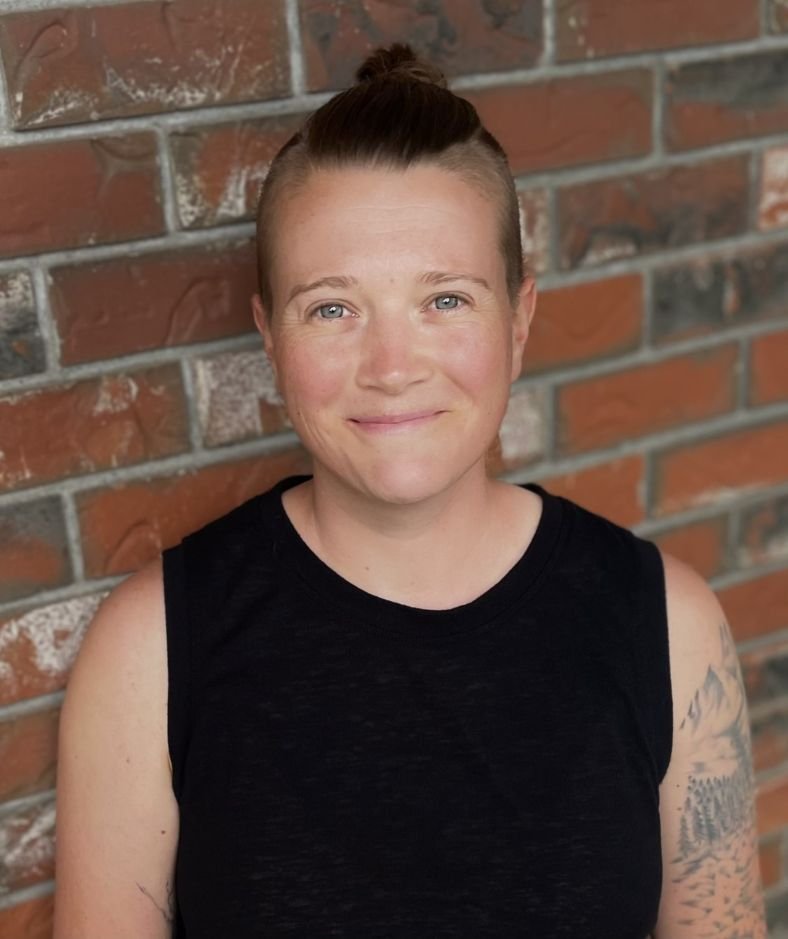
Katie St. Jean is a Registered Clinical Counsellor and Registered Social Worker who supports couples and individuals in building stronger relationships, navigating life’s transitions, and creating deeper connection with themselves and each other. She’s passionate about helping partners understand their patterns, communicate with more compassion, and feel more supported through the joys and challenges of relationships.
Katie’s counselling style is warm, collaborative, and grounded in genuine connection. She blends evidence-based approaches with curiosity and compassion, helping clients explore what’s happening beneath the surface while building practical tools they can use in everyday life. She believes relationships can grow through understanding, vulnerability, and learning new ways to show up for one another.
As a trained Bringing Baby Home facilitator, Katie brings specialized knowledge and experience supporting couples through the changes that come with becoming parents. She creates a welcoming, inclusive space where couples can strengthen their connection, navigate challenges, and grow together.
“I am passionate about helping people improve their relationships and have seen firsthand the positive impact that healthy, loving, secure, and supportive connections can have on our lives. ”
FAQ
-
The Bringing Baby Home program is welcoming to couples and relationships of all genders and sexual orientations. It is integrated into couples counselling with our Registered Clinical Counsellor, allowing you to explore the Bringing Baby Home curriculum while also receiving personalized support for your unique relationship and parenting journey.
The program typically involves 6–10 hours of counselling, delivered through a series of 50- or 80-minute sessions. Together, you'll learn practical, research-based tools to strengthen your relationship while having the flexibility to focus on the challenges and goals that matter most to you as a couple.
-
The Bringing Baby Home for Parents course is designed for expecting parents and families with young children, ideally from pregnancy through the first three years after birth or adoption. Many couples find it especially helpful during pregnancy, as it provides practical tools to strengthen communication, navigate change together, and prepare for the transition to parenthood before baby arrives. However, it's never too late to benefit from the course if you're already adjusting to life with a little one.
-
Not at all! While many first-time parents participate in the course, Bringing Baby Home is also valuable for families welcoming another child, blended families, adoptive parents, and anyone navigating the transition of growing their family. Every new addition brings unique joys and challenges, and the skills you'll learn can help you stay connected through each stage.
-
Bringing Baby Home is an educational, research-based workshop rather than a traditional couples therapy program. Instead of focusing on processing relationship concerns in the way therapy does, the course teaches practical, evidence-based skills to help couples strengthen communication, navigate conflict, stay connected, and prepare for the transition to parenthood.
That said, Katie is also an experienced couples therapist. She brings her clinical knowledge and expertise into the work she does with couples to create a supportive, thoughtful learning environment, helping people feel comfortable asking questions, reflecting on their relationship, and learning skills they can begin using right away. For couples who would benefit from support beyond the Bringing Baby Home workshop, she can also offer ongoing couples therapy.
-
Absolutely. In fact, Bringing Baby Home was designed to help couples be proactive rather than reactive. Even healthy, connected relationships experience change after welcoming a baby. The course gives you practical tools to maintain your connection, communicate effectively during stressful moments, and build a strong foundation for your growing family before challenges arise.
As both a Bringing Baby Home facilitator and an experienced couples therapist, Katie understands the common challenges couples face during this transition and creates a warm, encouraging environment where you can strengthen an already healthy relationship.
-
Absolutely. Every family deserves a space where they feel welcomed, respected, and celebrated. As both a Bringing Baby Home facilitator and an experienced couples therapist, Katie loves love and is deeply committed to creating an anti-oppressive, inclusive environment for all couples and families.
Katie has experience supporting LGBTQ+ couples and understands that there is no one "right" path to parenthood. Whether you're a same-sex couple, transgender or non-binary parent, queer family, or growing your family through adoption, surrogacy, donor conception, or another unique journey, she'll meet you with warmth, compassion, curiosity, and respect. Her goal is to create a welcoming space where every couple feels seen, affirmed, and supported as they prepare for this exciting new chapter.
If you're looking for both practical relationship education and the guidance of an experienced couples therapist, Bringing Baby Home offers the best of both worlds.
-
Throughout the course, you'll learn practical strategies to strengthen your friendship, improve communication, navigate conflict more effectively, manage the stress that often comes with new parenthood, and support one another as partners. You'll also gain insights into your baby's emotional development and discover ways to create a strong, connected family from the very beginning.
Our facilitator guides you through the evidence-based curriculum with warmth, compassion, and clinical insight, helping you translate what you learn into practical tools you can use in everyday life.
-
Many couples experience increased stress and conflict during the transition to parenthood, and you're certainly not alone if that's been your experience. While Bringing Baby Home is designed as an educational workshop rather than therapy, many couples find the skills and tools incredibly helpful for improving communication and strengthening their connection.
Because our facilitator is also a couples therapist, she's able to help you determine whether the workshop, couples counselling, or a combination of both would best support your relationship. Wherever you're starting from, you'll be met with understanding, encouragement, and practical guidance.
Match To A Counsellor
One of the greatest predictors of a meaningful experience is the fit between you and your counsellor.
Let us help you find the right fit.
Our Clinical Director will ask you some questions, share some options, then help you choose from our team of therapists.
Connect by phone or online - it’s your choice!